
Fiume-gate
Or, the story of Gabriele D'Annunzio and the country he invented for a hot minute.

Hello, friends!
First things first: CHICAGO POPE! I’m writing you this newsletter from CERTIFIED POPE-TOWN USA! My local news has been posting pictures of the NOW-POPE at a White Sox game in 2005. This is delightful and I intend to enjoy it as long as I can.
I have no particular opinions about whether Pope Leo XIV will be a good pope, as I am zero percent interested in the actual doctrine of the Catholic church and 100% interested in the pageantry. But it’s been a joyous week and a half during which everyone in town is happy to small-talk about the pope, a thing I’m always here for. I’ve gotten to tell several coworkers about how this is not actually the first American pope, as we already had Pope Pius XIII, the Wisconsin Antipope who assumed the Anti-Papacy in 1998. (Am I a personality hire? Depends. Do others have to like the hired personality?)
Anyhow, I thought about doing a bad pope story this week, but we literally just did one and also I have another weirdo I’m excited to talk about, so sorry for being off-theme. This one was a recommendation from my girlfriend, who said I could credit her only if I let her remain anonymous “to preserve an air of mystery.”
It’s…
Gabriele D’Annunzio, A Proto-Fascist I Dislike on Principle Except He’s So Goddamn Whimsical You Almost Have to Hand It to Him
(N.B.: you do not, under any circumstances, have to hand it to fascists.)
Gabriele D’Annunzio was born in 1863 in Pescara to a wealthy, well-respected family—his dad was the literal mayor. Later in life, D’Annunzio would start rumors that he was originally named Gaetano, only his parents felt compelled to change his name to Gabriele because he was so beautiful and angelic. This was not even remotely true, but I do love the implication.
Mama D’Annunzio: honey, our son is SO HOT.
Papa D’Annunzio: I was having the very same thought, my darling.
Mama D’Annunzio: we must give him a hotter name.
Papa D’Annunzio: quite right. I shall bring home the paperwork from town hall, where I am the mayor.
Gabriele D’Annunzio, aged 8 months, contentedly shitting his diaper: BE NOT AFRAID OF MY HOTNESS, PAPÀ
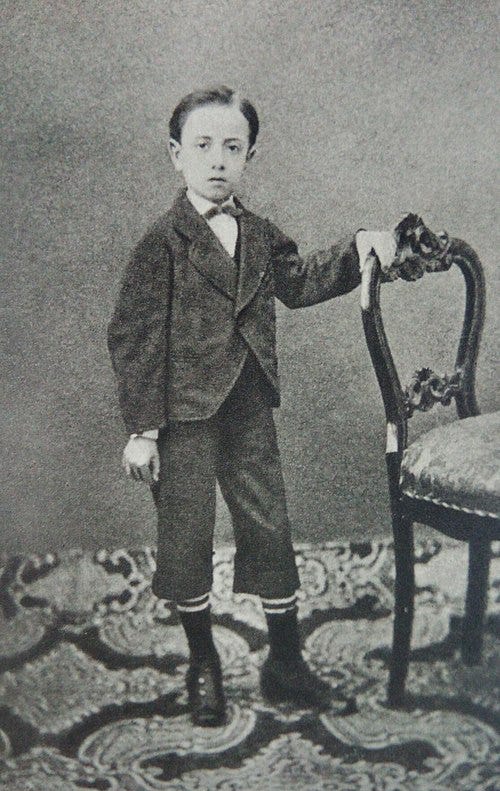
As D’Annunzio grew up, he turned to the most dangerous of pastimes for young men: poetry. He published several poems while he was in college, and after graduating put out three volumes that some people liked and other people thought were too sexy. I have not read his poetry, and I do not plan to. Wikipedia describes it as being “full of pulsating youth and descriptions of the sea,” and I truly feel no need to experience That Guy in My MFA again.
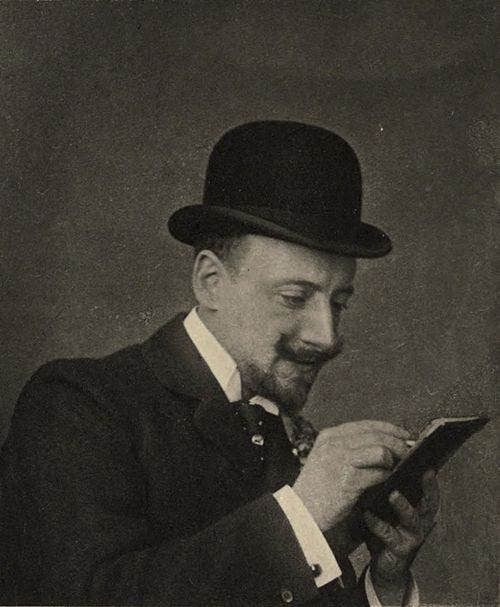
Between 1880 and 1900, D’Annunzio published poems, wrote newspaper articles to make money, and feuded with literary critics. There’s drama in there, but I’m going to breeze through it, because it is nothing compared to where we are headed. I will, however, share this photograph, for obvious reasons:
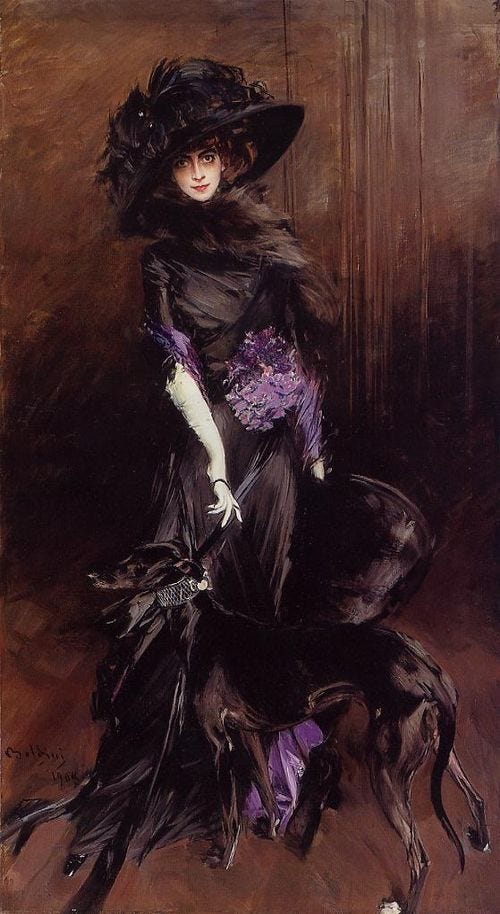
This Is Literally Just an Excuse to Show You All a Painting of Luisa Casati, I Apologize for Nothing
Like many poets interested in “pulsating youth,” D’Annunzio was not what you might call an upstanding citizen. He had to flee Italy for France in 1910 because he was in debt to too many people, where he met up with Claude Debussy and wrote an opera on the subject of Saint Sebastian.
Now, if you are anything like me, you saw the words “an opera about Saint Sebastian” and asked yourself “was he a little…🌈 you know🌈?” But to my shock and surprise, I don’t think so? He had a hot mistress in Italy named Luisa Casati, who I bring up so I can show this dope-ass painting of her that exists.
If you’re tracking the date and general location of this story, you probably know more or less where we’re headed here. So let’s skim through the “dirtbag poet has affairs with Italian divas and racks up debts” portion and jump ahead to World War I!
Minister of Flopaganda
As Italy entered the war in 1915, D’Annunzio did the patriotic thing and enlisted in the army. However, there are two facts it’s important to know about him:
He thought he was God’s gift to the Italian army, and
No part of this story convinces me that he actually knew what a war was.
D’Annunzio got a job as a fighter pilot, and I put the word “fighter” in the biggest scare quotes imaginable. He led a raid over Vienna, during which he dropped from his plane not bombs, but a giant bag of leaflets with pro-Italian poems he’d hand-written himself. Personally, I think being bombarded with terrible poetry should be a war crime, but I’m not sure it’s the best strategy for a literal war.
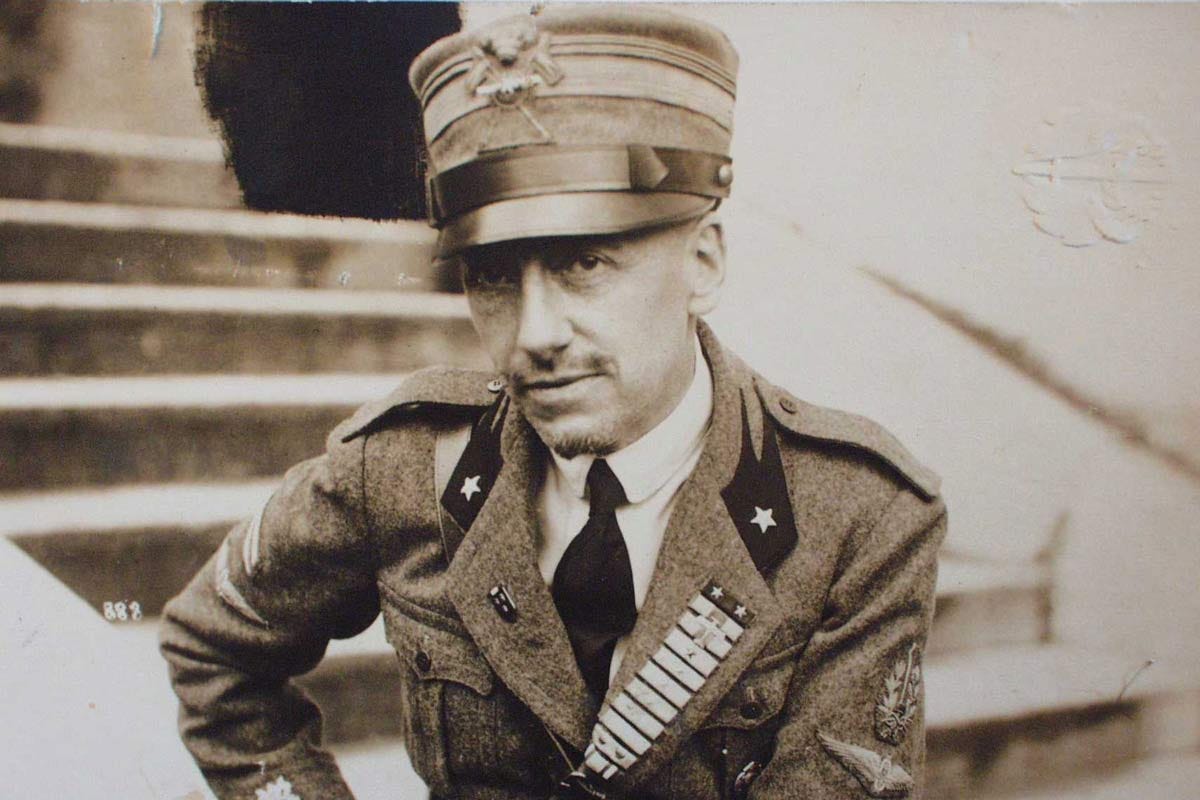
Somehow, through all of this, D’Annunzio became something of a war hero. I think it’s partly the sheer amount of drama and energy he brought to the role, because I can find no evidence that he was actually helpful in any way.
The other thing, of course, was that D’Annunzio was a loud-and-proud Italian ultranationalist who wanted to use WWI as an opportunity to create a unified, “ethnically Italian” country that would be the greatest the world had ever seen. And lots of people liked that. One of the people who liked it the most was a little fella named Benito Mussolini, which is never a resounding endorsement of one’s political views.
It’s Gonna Be (Fiu)Me
When the war ended, D’Annunzio was furious about the terms Italy accepted during the peace treaty process. He was particularly steamed about Italy ceding the city of Fiume, which had a lot of ethnically Italian people living there, to Yugoslavia. D’Annunzio felt that giving up Fiume betrayed his plan to Make Italy Italy for the First Time (MIIFT).
Any guesses for what he did about it?
If you guessed “write some angry pamphlets and fling them at strangers,” that would be par for the course, I admit.
However, the actual answer is: steal 200 Royal Grenadiers from the Italian army and storm the city of Fiume himself.
This is the part of the story where I start watching all of D’Annunzio’s decisions like this:

Now, 200 people has never been enough people to take over a whole city, at any point in history. This coup should have been dead before it hit the water. But people loved Fascist War Hero Poet Gabriele D’Annunzio for reasons wholly inconceivable to me, and before long he had Italian soldiers flocking to his cause from across the country. D’Annunzio successfully seized the city of Fiume in September 1919 and expelled all of the Allied forces who had been occupying it.
“You don’t need to tell me what happens next,” you might be thinking. “Surely he makes Fiume part of Italy again, and this is a source of extremely local tension with the Yugoslavs for the next several years until WWII happens and everyone gets distracted.”
Oh, reader, good news: I absolutely do have to tell you what happens next. Because instead of following through on his plan for a unified Italy, D’Annunzio completely seals off the city of Fiume and DECLARES IT AN INDEPENDENT COUNTRY OF WHICH HE IS NOW IN CHARGE.
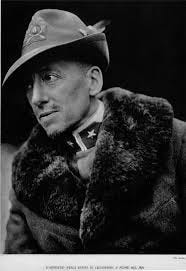
The vibes I’m getting here are like if I walked into a local Quiznos, chased out all of the employees, jumped up on the counter, and yelled “This Quiznos is now a sovereign nation and I am the Prime Minister of the Republic of Quiznos.” Like, bruh. What are you even doing.
Diplomatic I-Moo-Nity
None of this should have been possible! This guy had a degree in literature! But somehow members of the Italian Navy defected and supported him, and it was off to the races from there. D’Annunzio chose for his leadership title “Il Duce,” a role Mussolini would later do an extremely famous cover of.
An incomplete list of things D’Annunzio did as Duce of Fiume in 1919 and 1920:
Tried to set up his own rival League of Nations only for nations that he thought were a) oppressed and b) cool. For the record, this list included Fiume (not a country), Ireland (ok), and Egypt three times (clerical error)
Imposed a strict naval blockade on the city, which he would regularly open to invite people to absolute ragers where they would get wasted and do drugs for days
Had citizens throw flowers at him from their balconies so many times that the city ran out of flowers
Adopted the national motto of “Me ne frego,” which translates to “I don’t give a damn”1
Wrote a new constitution in which all citizens were required to take classes in choral music
Hired a man named Guido Keller as his right-hand advisor, a person who:
Led yoga retreats for the population of Fiume
Once stole a cow from a monastery by strapping it to the bottom of his WWI biplane
Liked to sleep naked in a tree with his pet eagle
Took a photo posed like this, on purpose:
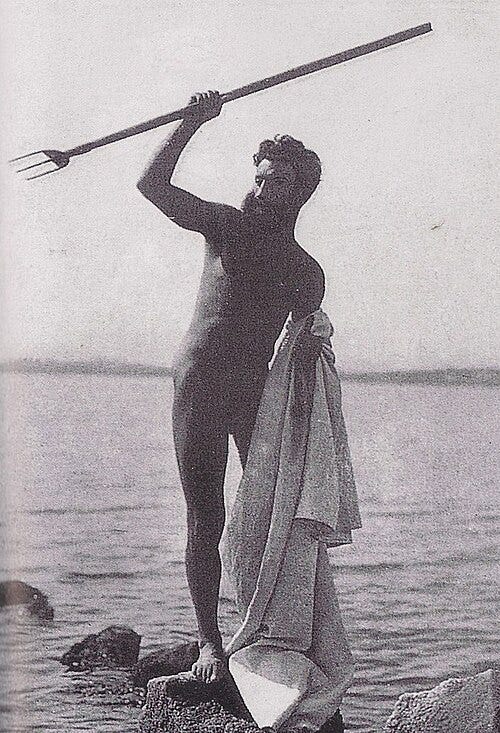
Decisions. This Story Sure Is Full of ‘Em.
This went on for about a year, until it seems to me like the Allied powers got fed up with this nonsense. They signed the Treaty of Rapallo in November 1920 which, among many other things I did not learn about for this story, declared that Fiume could be its own independent country. Presumably the only condition was that D’Annunzio shut up and stop bringing his aggressive nationalist chorales on the road to bother people.
Did this placate D’Annunzio? If you still think that, you haven’t been paying attention. Because D’Annunzio responded to the world giving him exactly what he had asked for by DECLARING WAR ON THE ENTIRE COUNTRY OF ITALY.
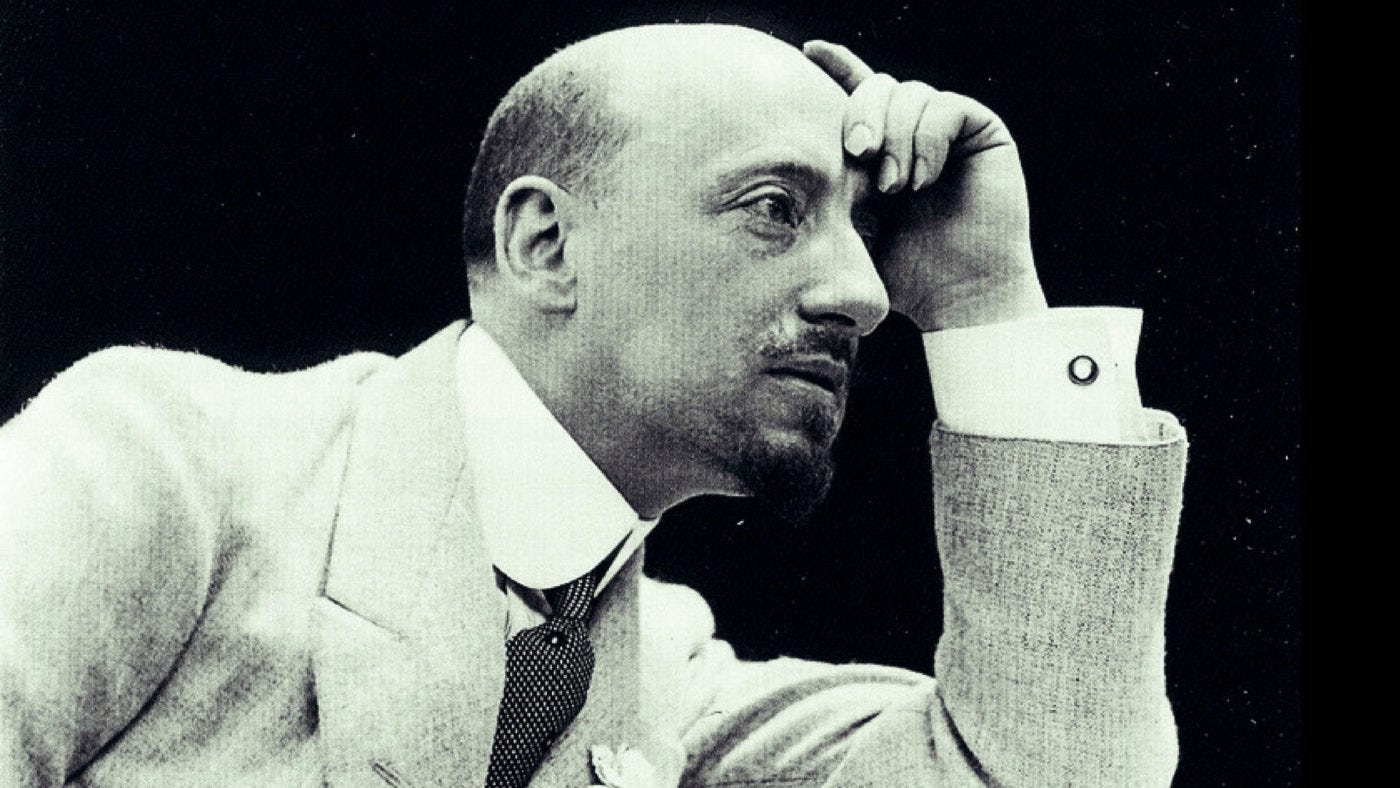
I don’t understand the strategy behind this, nor do I understand the rationale, but I absolutely do understand the outcome. The war between Fiume and Italy lasted exactly five days, until the Italian army kicked D’Annunzio’s ass so hard he surrendered.
He then ran off to live out his remaining days at a villa on Lake Garda, where he passed the time writing poems and yelling about fascism. Two years later, there’s a fun incident where he falls out a window and breaks like half the bones in his body. Later, he claims he was pushed by an unknown assassin, except historians are pretty sure he was drunk and just tripped out the window.
Gabriele D’Annunzio would die in 1938 of a stroke, aged 74. This is a fitting way for him to go, as reading about his story almost gave me a stroke several times.
The independent country of Fiume, by the way, lasted a few more years without a leader, presumably because no one could be bothered to do anything about it. It was split between Italy and Yugoslavia in 1924 and today is part of Croatia. It seems lovely. 10/10 would do yoga on a balcony with a man dressed as Poseidon there.
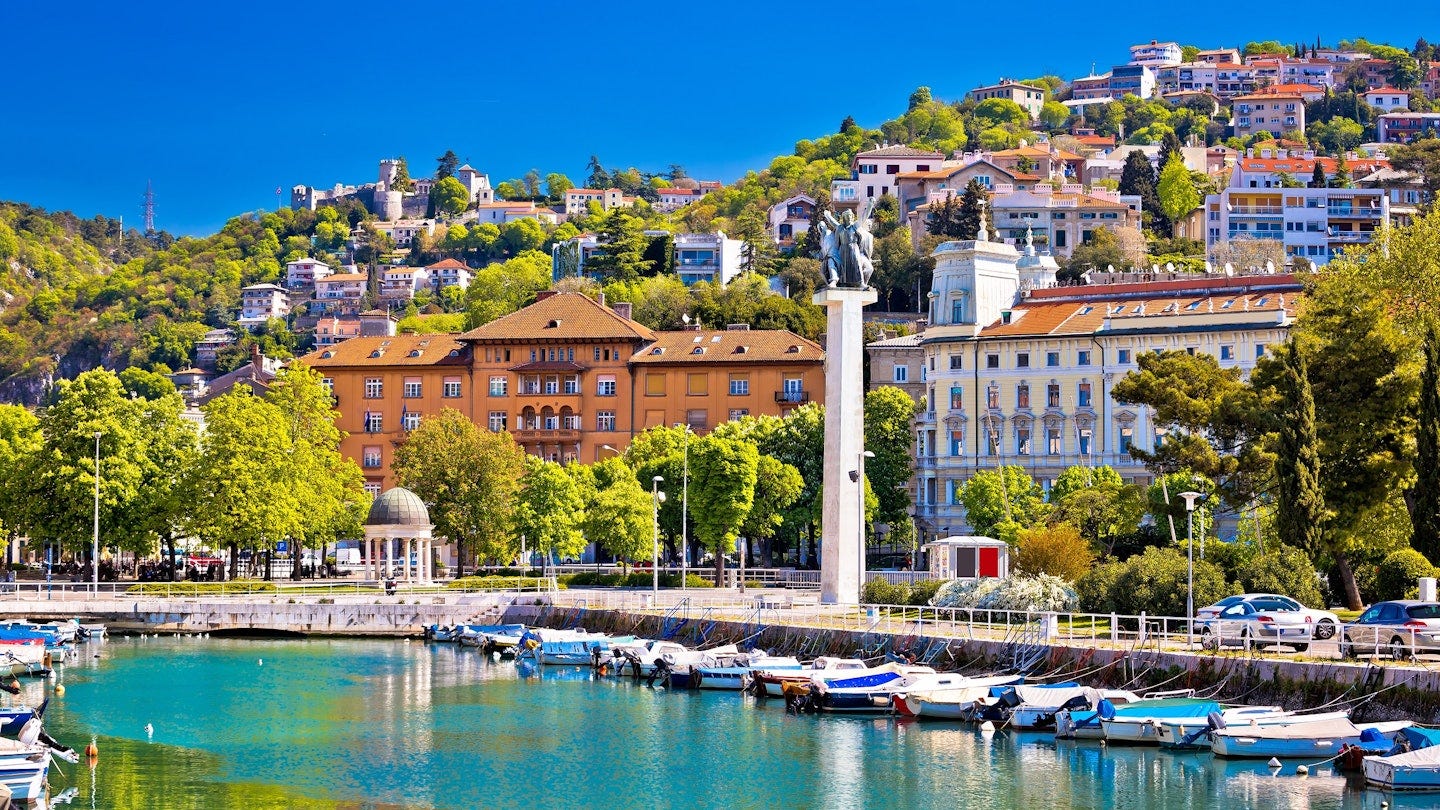
All right, friends, that’s all for this time. Thanks for joining me for another issue of Dirtbags Through the Ages, which remains a joyful community and a fun distraction for me as everything goes rapidly to shit.
Until next time, be well, and the first person to comment with an image of a cow dangling from the bottom of a WWI biplane while waving the flag of the Independent Nation of Fiume will win a prize,2
-Allison
Coincidentally, this would also be the motto of the Republic of Quiznos.
Terms and conditions apply, the biggest condition being I don’t have a prize.
You have to understand that between 1900-1910 this guy was by far the most popular person in Italy by a laaaaarge margin. And that his god-like status persisted for many years, I mean Mussolini was afraid that going against this guy (that is telling him to shut up and let him be a good dictator) would have hurt him politically. And you should also find out more about what was written or proposed to be written in Fiume’s «constitution». Manu things would look very progressive to this day
I pledge my life, my fortune, and my sacred honor to the Republic of Quiznos!